Carbon + Vitamix: Rethink the Possible
How Watts Helped Carbon Tell the Story of a Breakthrough in 3D‑Printed Production
Carbon approached Watts Media with a deceptively simple brief: tell the story of a small, digitally manufactured part that turned out to be far more transformative than anyone expected. Working with Vitamix and Carbon’s production partner, The Technology House, the team had reimagined a commercial blender nozzle — reducing a six‑piece injection‑molded assembly into a single, monolithic part produced with Carbon’s Digital Light Synthesis™ (DLS) technology.
The result wasn’t just a better part. It was a proof point that challenged long‑held assumptions about how products can be designed, engineered, and manufactured at scale.
The Challenge
A Small Part With a Massive Story Behind It
At first glance, the redesigned Vitamix nozzle looks simple. But behind that simplicity is a breakthrough:
10× more durable than the legacy part
30% less material
33% more economical
Manufactured as one part instead of six
Capable of withstanding high pressure, heat, and harsh sanitizers
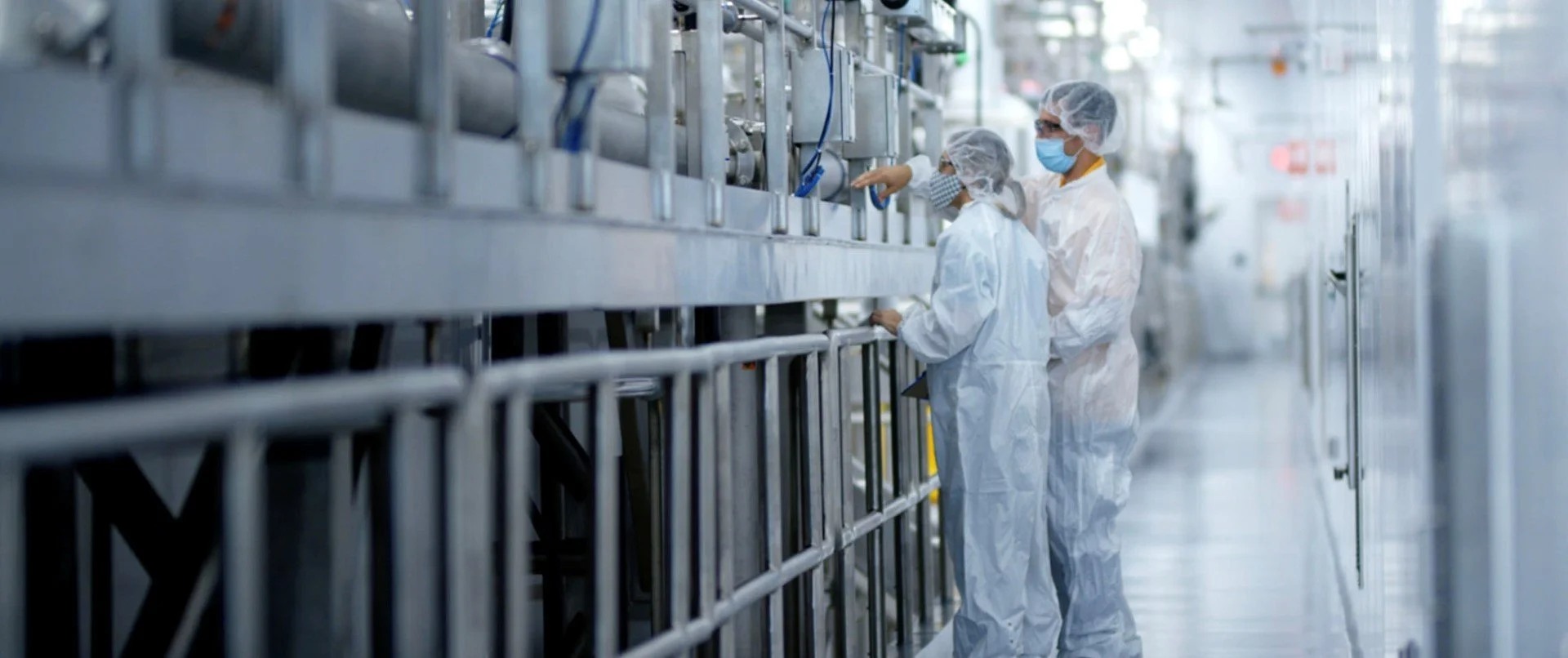
Produced at scale using Carbon’s DLS™ and RPU materials
This was a story that needed to resonate with engineers, product designers, and B2B decision‑makers - audiences who care deeply about performance, reliability, and manufacturability.
The challenge: How do you communicate the significance of a tiny component without overwhelming viewers with technical jargon?
Our Approach
Watts immersed itself in Carbon’s technology, studying DLS™, material science, and the engineering behind the Vitamix nozzle redesign. From that foundation, we built a narrative that focused on why the breakthrough mattered, not just how it worked.
1. Mastering the Technology
We dug into the details of Carbon’s DLS process — oxygen‑permeable membranes, programmable photopolymerization, isotropic mechanical properties — and translated them into clear, intuitive concepts.
2. Interviews That Reveal the “Why”
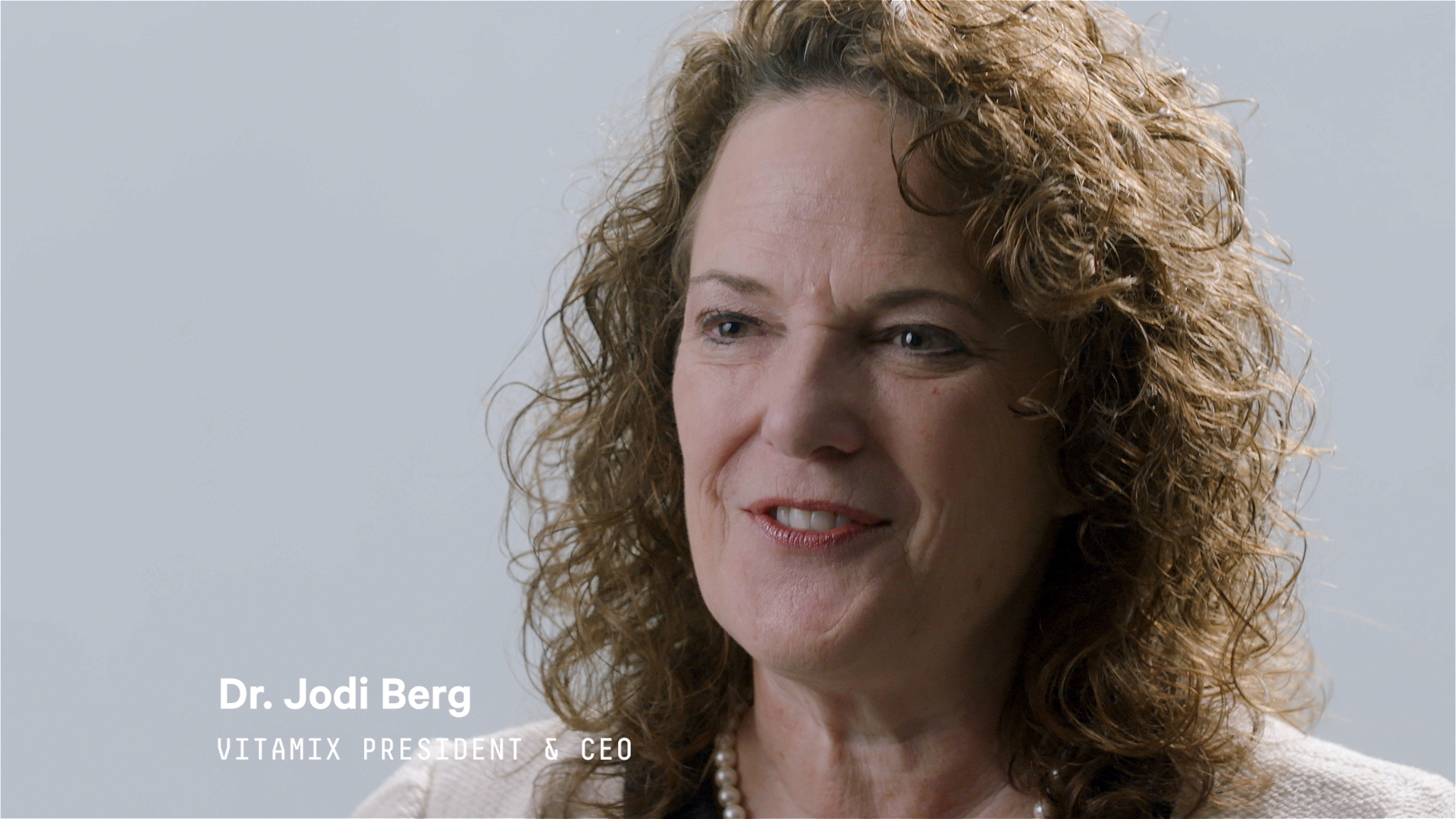
We conducted interviews with Carbon, Vitamix, and engineering partners to uncover the deeper story: This wasn’t just a nozzle. It was a shift in how engineers think about designing for additive manufacturing.
3. Visualizing the Invisible
To make the science accessible, we blended:
3D animation
Motion design
Technical illustration
Real product imagery
This allowed us to show the internal channels, microfluidic geometry, and performance characteristics that would otherwise be impossible to see.
4. Storytelling for Both Technical and Non‑Technical Audiences
We avoided jargon overload and instead focused on:
The problem
The breakthrough
The impact
The future
The result was a narrative that engineers respected - and everyone else could understand.
The Outcome
The final film became a digital case study used in press, events, and marketing for more than two years. It helped Carbon:
Demonstrate the real‑world power of DLS™
Showcase a tangible, scalable production win
Inspire engineers to rethink what’s possible with additive manufacturing
Strengthen Carbon’s position as a leader in next‑generation manufacturing
By combining deep technical understanding with clear, compelling storytelling, Watts Media helped Carbon elevate a small part into a big idea — one that continues to influence how companies think about designing for digital manufacturing.