Carbon CLIP Technology - Product Storytelling for Digital Manufacturing
Revealing a Breakthrough in Additive Manufacturing
Carbon approached Watts to help introduce Continuous Liquid Interface Production (CLIP) — a photochemical process that grows parts continuously from a pool of resin, rather than printing them layer by layer. CLIP represented a fundamental shift in what 3D printing could be: faster, stronger, smoother, and truly production‑ready.
Carbon needed a film that could explain the science with clarity, show the elegance of the process, and position CLIP as a manufacturing technology capable of reshaping entire industries.
The Challenge
CLIP is both simple and incredibly complex:
It uses UV light to trigger polymerization
It uses oxygen to inhibit polymerization
It creates a microscopic “dead zone” above an oxygen‑permeable window
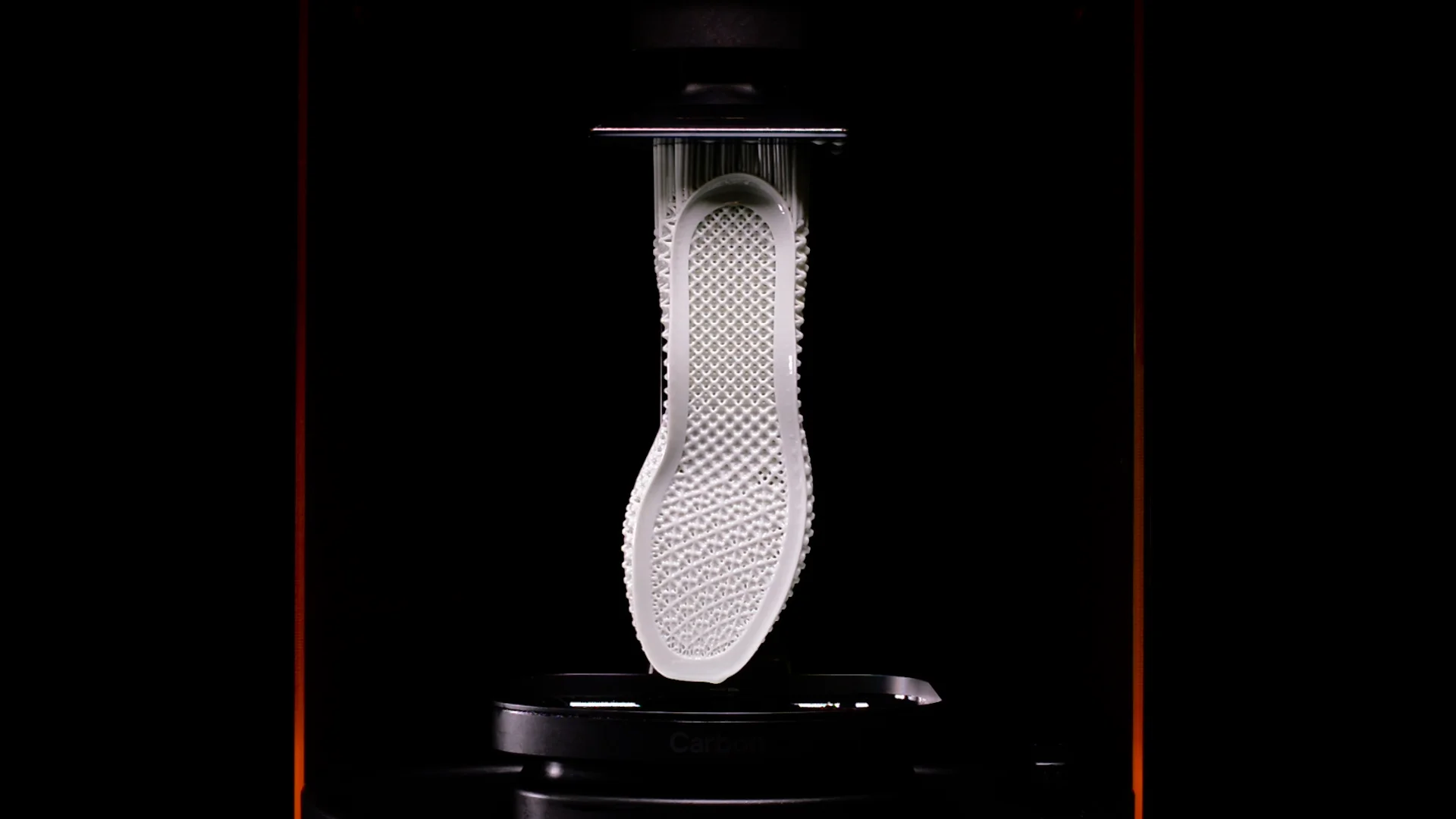
It grows parts continuously, like a movie playing into a resin pool
It produces parts with smooth surfaces and isotropic strength
he result is a technology that is 25–100x faster than traditional 3D printing and produces parts with injection‑molded‑like mechanical properties.
But none of that is intuitive.
Carbon needed a film that:
Made the science understandable
Showed the continuous growth process visually
Demonstrated the speed and surface quality
Positioned CLIP as a category‑defining innovation
Supported investor conversations, press, and early customer education
This wasn’t a product demo. It was the unveiling of a new way to make things. This film reflects our approach to Product Storytelling, making complex technology clear, visual, and intuitive.
Our Approach
Watts created a high‑clarity, high‑impact product technology film that visualizes CLIP from the inside out.
1. Visualizing the Science
We translated the core scientific principles into clean, intuitive visuals:
How oxygen and UV light interact
How the “dead zone” forms
How parts grow continuously from the resin bath
Why CLIP avoids the brittle, layered structure of traditional 3D printing
The goal was to make the invisible visible — and make the complex feel elegant.
2. Showing Real-World Performance
To demonstrate CLIP’s advantages, we highlighted:
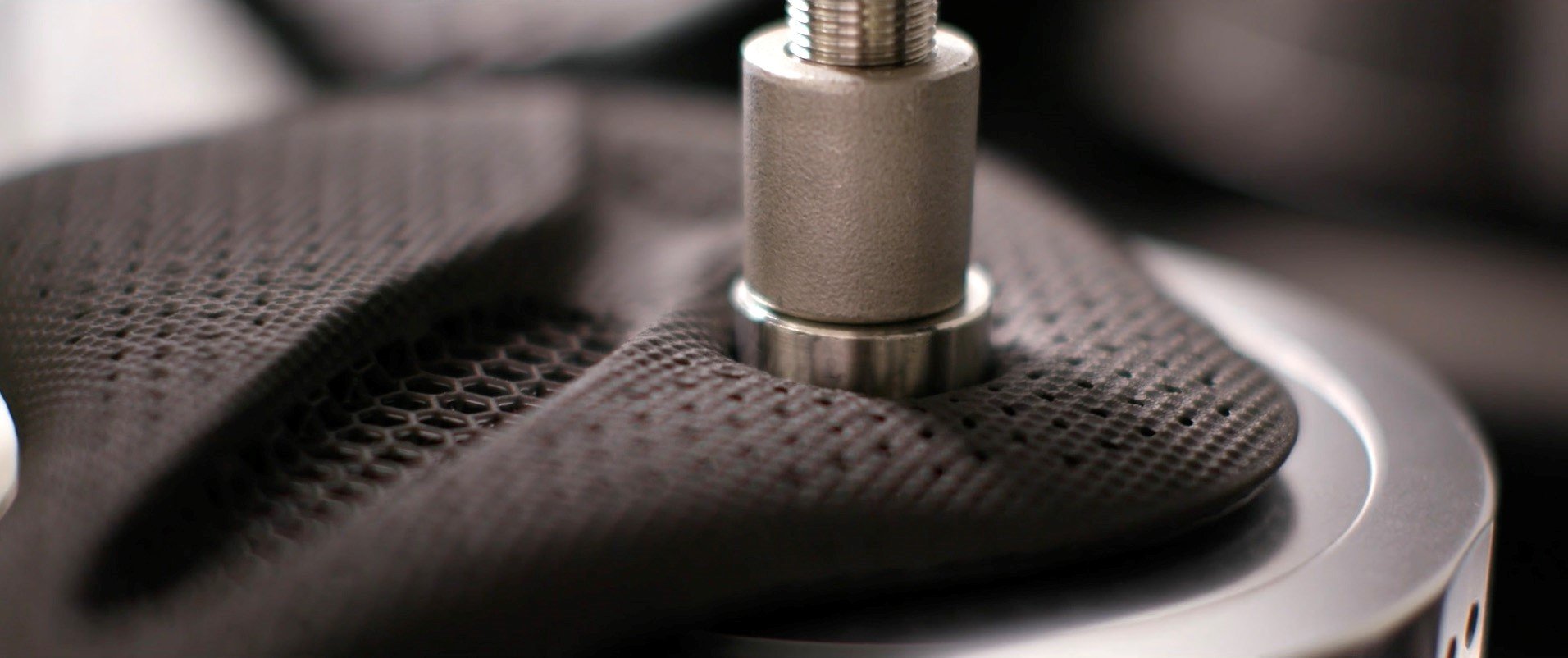
Smooth, fully cured surfaces
Isotropic mechanical properties
Real‑time and time‑lapse growth
End‑use parts emerging from the resin
This helped audiences understand that CLIP wasn’t for prototyping — it was for production.
3. Positioning Carbon as a Category Leader
The film’s tone, pacing, and visual language were designed to match Carbon’s ambition. It needed to feel like the introduction of a breakthrough — not an incremental improvement.
The final piece became a foundational asset for:
Launch events
Press coverage
Investor briefings
Technical education
Early customer onboarding
The Results
The CLIP Technology film helped Carbon:
Launch CLIP publicly with clarity and impact
Differentiate from traditional 3D printing
Build credibility with engineers and manufacturers
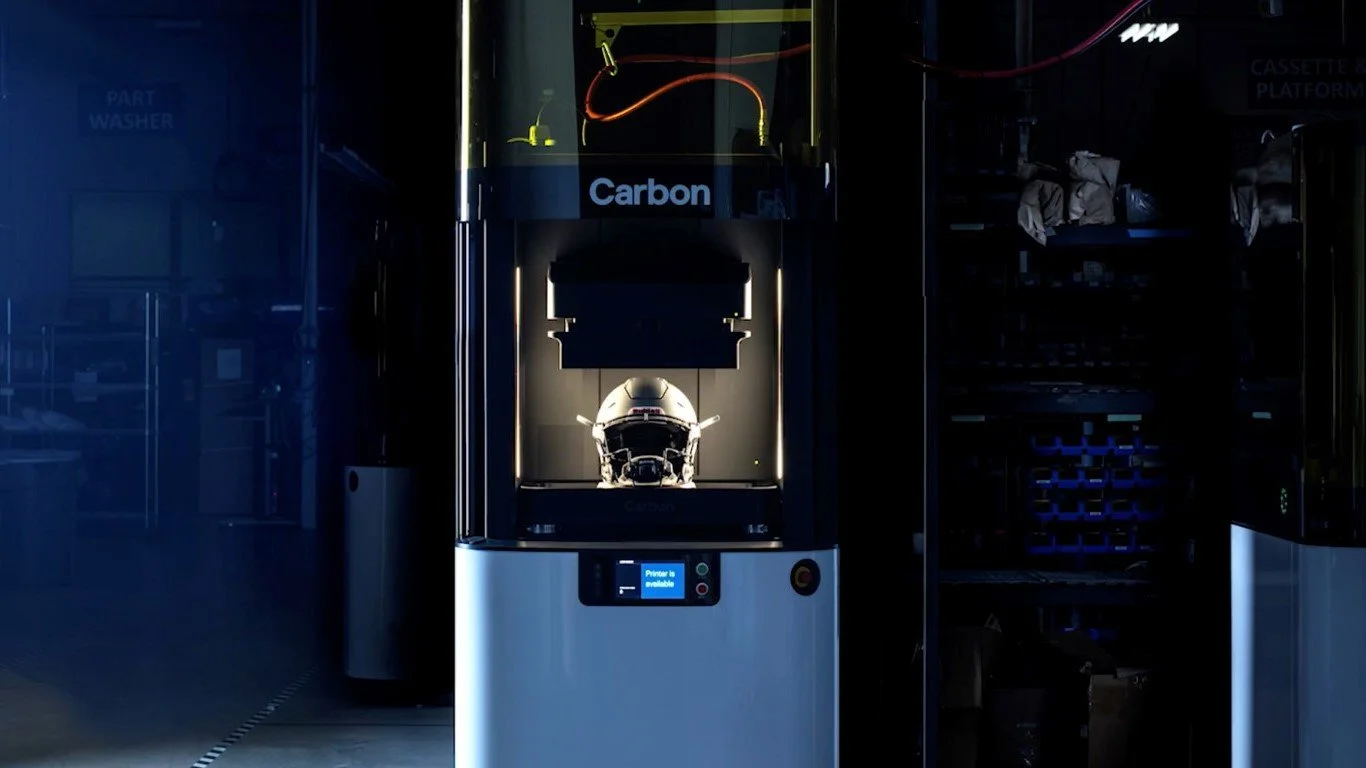
Support the rollout of the M1 printer and subsequent platform
Establish itself as a leader in next‑generation manufacturing
The film remains one of Carbon’s most widely used educational and storytelling assets, and it reflects our work in Customer Evidence.