Carbon SpeedCell - Product Storytelling for High-Performance Materials
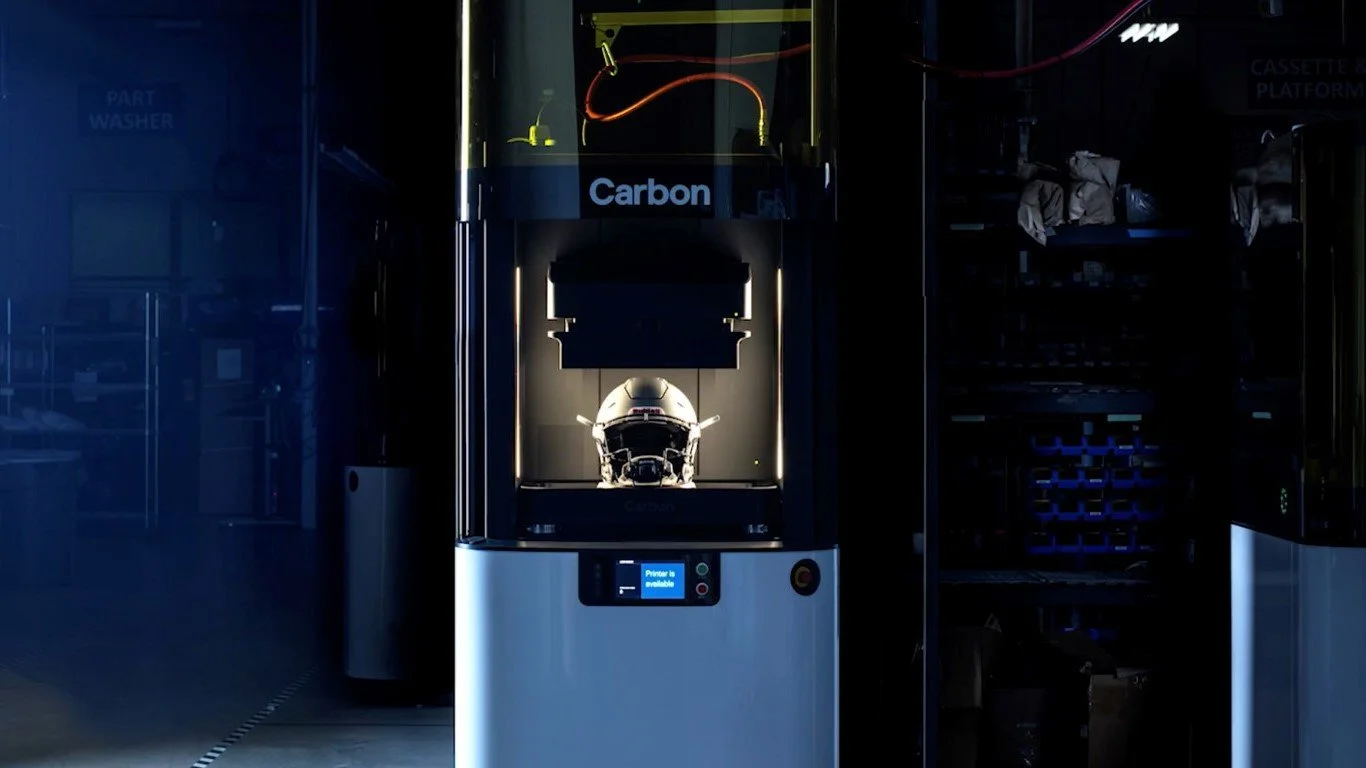
Carbon emerged as one of Silicon Valley’s earliest true unicorns — a company whose breakthrough in photopolymer 3D printing promised to collapse the distance between prototyping and production. Operating at the intersection of hardware, software, and molecular science, Carbon envisioned a future where final‑quality parts could be produced at scale using light. When the company prepared to introduce its new SpeedCell manufacturing system and announce a landmark partnership with Adidas, they turned to Watts Media to help tell their story with clarity, ambition, and cinematic impact — building on our broader Carbon innovation storytelling.
The Challenge
A Transformational Technology Needed a Transformational Story
SpeedCell represented a major leap forward: a connected ecosystem built around Carbon’s M‑series printers and Smart Part Washer, designed to move additive manufacturing from prototyping into true production. The system, powered by Carbon’s Continuous Liquid Interface Production (CLIP) process, enabled isotropic parts, complex lattice geometries, and end‑use components that rivaled injection‑molded quality — all at unprecedented speed.
But the technology was complex, and the stakes were high. Carbon needed a film that could:
Explain CLIP and thermal curing in a way investors and partners could instantly grasp
Showcase SpeedCell as a production‑ready platform, not a lab experiment
Support the announcement of their collaboration with Adidas on Futurecraft 4D — the first mass‑produced 3D‑printed midsole, made possible by Carbon’s lattice innovation
Inspire confidence in Carbon’s vision for the future of manufacturing
A Moment to Signal Category Leadership
This wasn’t just a product launch. It was Carbon’s opportunity to show the world that additive manufacturing had finally crossed the threshold into scalable, industrial production — and that Carbon was the company leading the charge. This theme connects directly to our other Carbon platform case studies.
Our Approach
Watts Media partnered closely with Carbon’s leadership, engineers, and product teams to understand the science behind CLIP, the engineering behind SpeedCell, and the strategic importance of the Adidas partnership.
From that foundation, we built a creative strategy around three pillars:
1. Clarity Through Narrative
We distilled CLIP — a process involving oxygen‑permeable membranes, continuous photopolymerization, and thermal curing — into a simple, elegant story. The film explained how Carbon’s technology eliminates traditional prototyping cycles and enables direct‑to‑production workflows. This narrative approach reflects our broader expertise in technical storytelling for advanced manufacturing.
2. Visualizing the Invisible
Because much of Carbon’s innovation happens at the molecular and software levels, we blended:
Real footage of the M1 and M2 printers
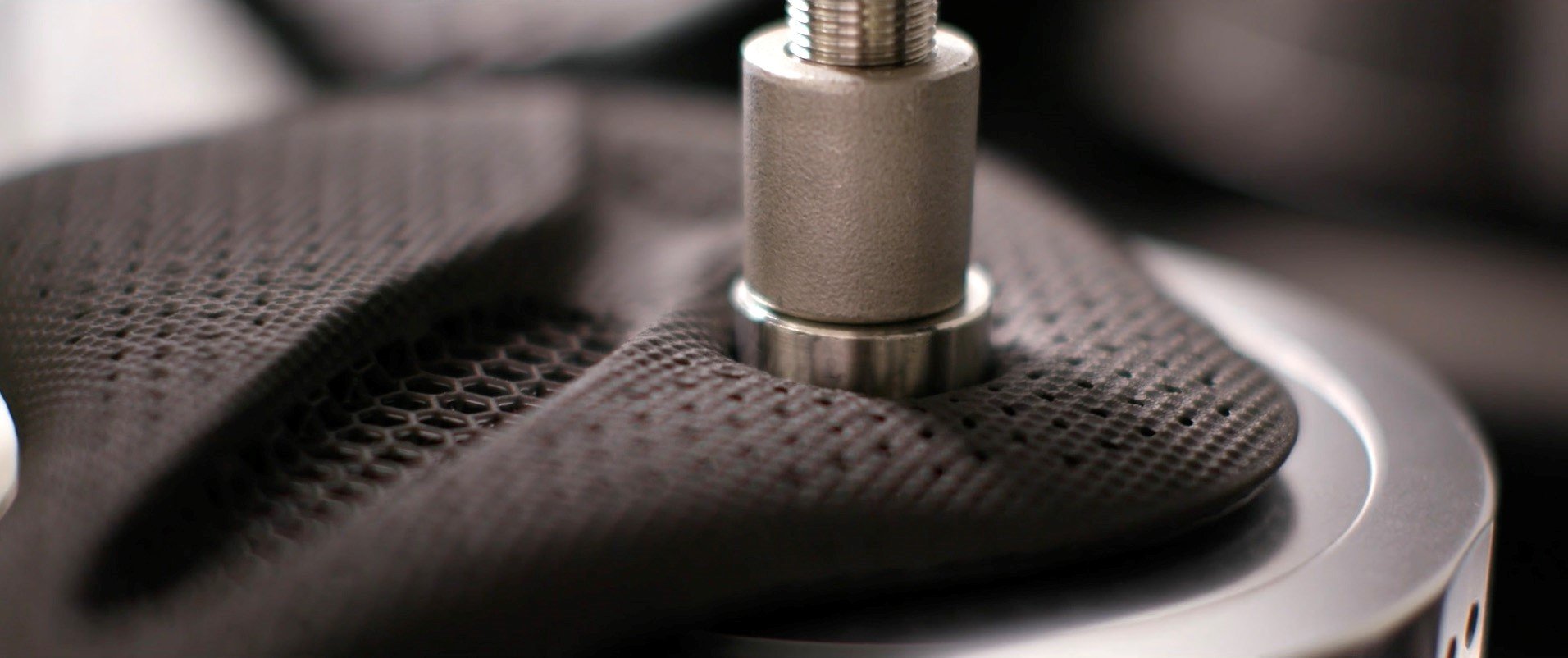
High‑resolution imagery of isotropic parts
Abstract motion graphics
Technical illustration
This hybrid approach made the invisible mechanisms of CLIP and SpeedCell feel tangible, intuitive, and visually striking — a hallmark of our animation and motion‑driven technical visualization work.
3. Elevating the Brand Moment
We crafted a cinematic tone that matched Carbon’s ambition — a company backed by GE, BMW, and other major partners, poised to redefine how products are designed, engineered, and delivered. The film needed to feel like a category announcement, not a product demo — consistent with our live‑action brand storytelling.
The Result
The final film became Carbon’s flagship storytelling asset — used to brief investors, energize partners, and introduce SpeedCell to the world. It helped frame Carbon not just as a 3D‑printing company, but as a manufacturing platform capable of powering global brands.
Clear Communication
The film translated complex engineering into a crisp, compelling narrative that resonated with both technical and executive audiences — reinforcing the communication style used in our Carbon + Vitamix and Carbon + Specialized case studies.
Strategic Alignment
It supported Carbon’s Adidas partnership announcement, showcasing how Carbon’s lattice structures and CLIP‑based production made Futurecraft 4D possible at scale.
A Vision for the Future
By combining live‑action production, technical illustration, and motion design, Watts Media helped Carbon articulate a bold message: Manufacturing has entered a new era - and Carbon is leading it.
This project is an example of our Seattle video production work for enterprise organizations.
CLIP Technology Overview
The technology that makes this kind of 3D printing possible is called CLIP, Continuous Liquid Interface Production. Carbon tasked Watts with explaining CLIP and Thermal Curing, a very complicated but mind-blowing innovation, as clearly as possible. The result is a film that mixes real imagery of the M1 printer, real isotropic parts, and original illustration and animation.