
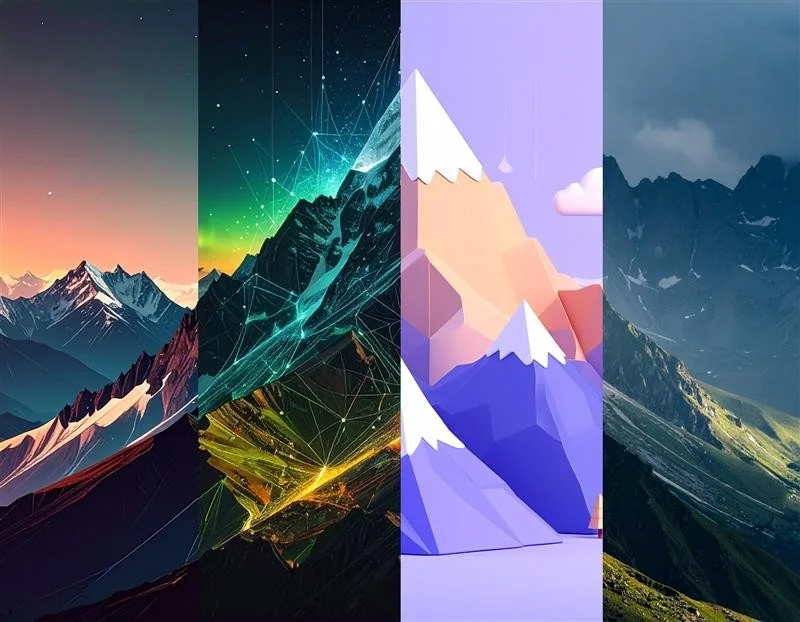
AI is rapidly changing creative advertising. For enterprise teams, the challenge isn’t understanding the technology - it’s figuring out how to apply it in a way that actually improves production and outcomes. For teams trying to operationalize this, it connects directly to how enterprise video production strategies are built.
This article breaks down how AI is actually used in creative advertising today, where it adds value, and how enterprise teams are integrating it into production workflows.
Having spent over 23 years in the field as a Creative Director, my journey began as an Animator and Designer, where I started my career deeply connected to tools like Adobe After Effects and Maya. These tools were replacing an older mindset at the time, giving one person the ability to create stunning visuals on our personal computer and allowing for experimentation and innovation in ways previously unimagined. I often employed 3D storyboarding and tackled complex compositing projects, which expanded my understanding of what it means to be more than just an "animator."
How AI is Used in Creative Advertising Today
With the advent of AI in the advertising landscape, we're seeing a new wave of creative potential. AI can generate visually striking content at a speed and efficiency that previous technologies couldn’t match. This has understandably raised concerns about whether creativity will be outsourced to machines or if traditional creative jobs will dwindle.
Why AI Doesn’t Replace Creative Teams
However, it's essential to recognize that AI should not be viewed as a threat, but rather as a tool that enhances our capabilities. The ability of AI in advertising workflows to produce multiple iterations quickly can free creative professionals to focus on refining and perfecting concepts, something that still requires a human touch. While AI can handle routine tasks and generate initial ideas, the artistry and emotional resonance behind a successful campaign are elements that only experienced creatives can provide.
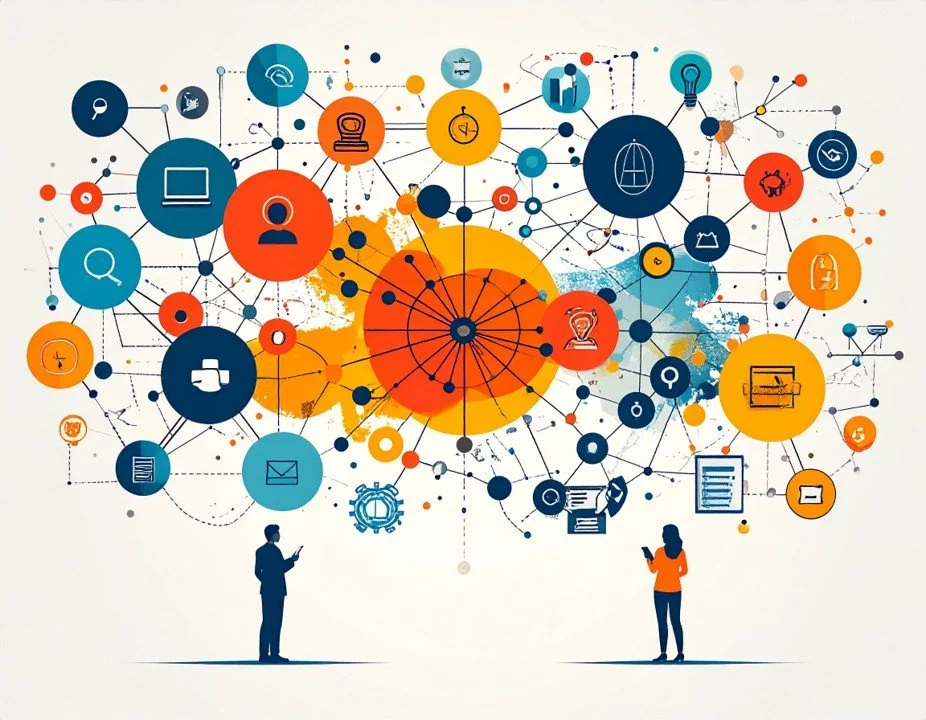
AI Driven Video Production Workflows
In one recent campaign, we began with a base idea for a visual concept. From there, we utilized various AI tools to explore different directions quickly. These tools enabled us to generate multiple iterations of our initial idea, sparking our creative team into seeing solutions that would have been time-prohibitive if done solely by hand.
We could visualize unexpected color palettes and design elements that we hadn’t initially considered, and that would have been hard to justify exploring at important milestones in the project.
Human Judgment Is Still the Creative Engine
The key was that, while the inspiration came from AI, the creative decision and the core vision still belonged to us. By integrating these AI-generated insights back into our approach, we enriched the final concept, ultimately delivering a more innovative and engaging campaign.
This experience reinforced the notion that we aren’t replacing human roles but instead speeding up our exploration of creative opportunities. It allows us to hit milestones in our projects that we otherwise wouldn’t have had the time or resources to explore thoroughly.
What This Means for Creative Teams
AI isn’t here to diminish the role of creatives - it’s here to expand what’s possible. The teams that thrive will be the ones who treat AI as a collaborator: a way to explore more ideas, move faster, and unlock creative directions that would have been impractical under traditional timelines. The human touch remains the differentiator. AI can spark possibilities, but people shape the story, the emotion, and the meaning.
By embracing this partnership, creative teams can elevate their craft and deliver work that’s more innovative, more resonant, and more strategically aligned with the needs of modern brands.
Building AI into your creative workflow?
See how we structure enterprise video storytelling for enterprise organizations.
Related insight